Lassen County operates a detention facility in Susanville. The sheriff's office handles all bookings and arrests for the county. People arrested in Lassen County go to the Adult Detention Facility. This jail serves the entire county including Susanville, the largest city. The facility books people arrested by sheriff's deputies, city police, and the California Highway Patrol. State law requires the release of basic booking information to the public. You can get arrest details by contacting the jail directly. Phone inquiries provide custody status and booking details. Written requests through the California Public Records Act yield more comprehensive information.
The Adult Detention Facility operates 24 hours a day. Call (530) 251-5245 for custody information. Staff can verify if someone is currently in jail. They provide basic booking details over the phone. This includes arrest date and general charges.
Lassen County does not have an online inmate search portal. You must call or visit in person. This is common for smaller rural counties. The staff maintain paper and computer records. They can look up inmates by name during business hours. After-hours calls go to jail staff on duty.
California law sets rules for arrest information disclosure. Government Code Section 7923.600 lists what must be public. This includes the full name of arrested individuals. Occupation is releasable. Physical description covers date of birth, eye and hair color, sex, height, and weight.
Time and date of arrest are public. Booking time and date must be disclosed. The location where arrest occurred is releasable. Factual circumstances surrounding the arrest can be shared. Bail amount is public information when set. These details appear in the police blotter.
The police blotter is a log of arrests and bookings. It shows who got arrested and when. Basic charges may be listed. Bail amounts appear when applicable. Anyone can request to see the booking log. This is separate from full arrest reports, which have limited access.
The state maintains different types of criminal records. Penal Code Section 11105 defines state summary criminal history. The California Department of Justice keeps these master records. They include fingerprints and arrest histories from all counties. Law enforcement agencies can access DOJ databases. Public access is restricted to authorized purposes.
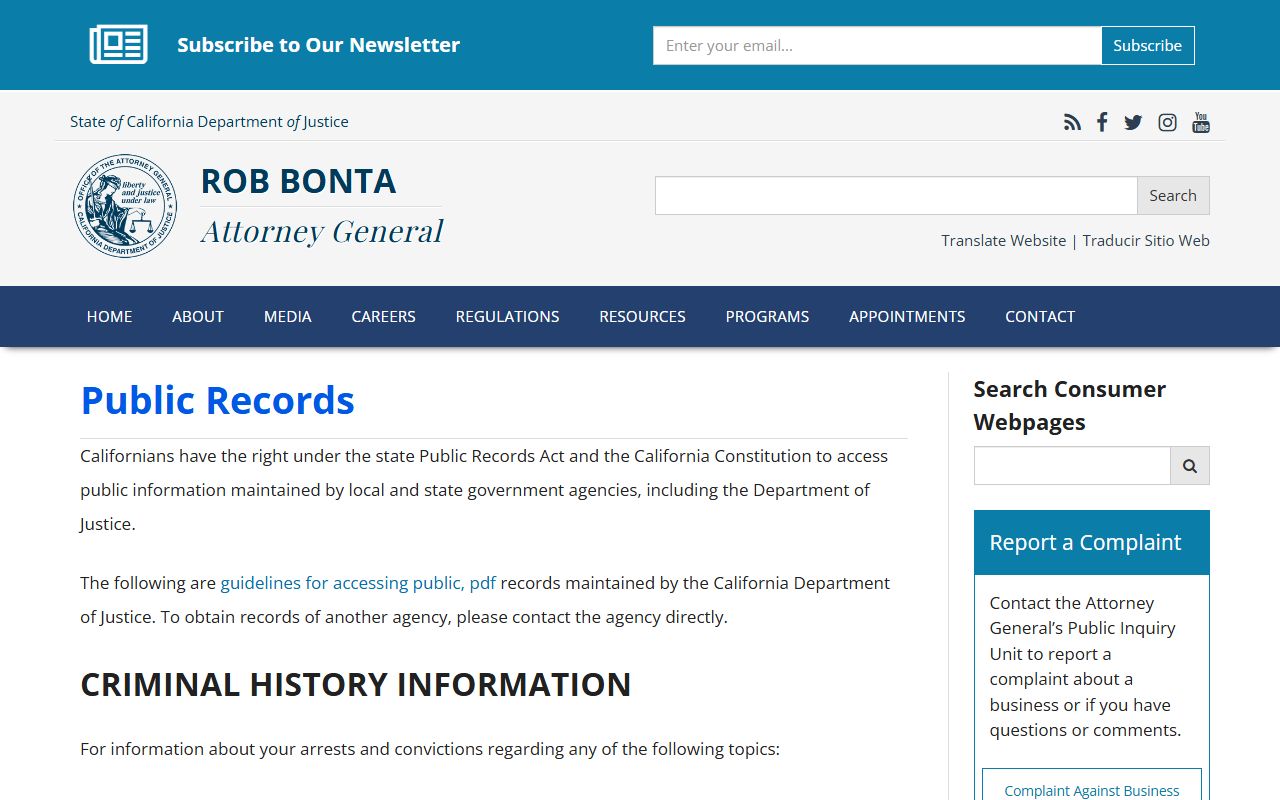
The California Department of Justice provides guidance on accessing public records at oag.ca.gov/consumers/general/pra. Individuals can request copies of their own criminal history. This requires Live Scan fingerprints and a $25 fee. The process is explained on the DOJ website. You cannot get someone else's state criminal history without authorization.
Penal Code Section 13300 covers local criminal records. Counties and cities maintain their own arrest files. These are separate from state DOJ records. Local summary criminal history includes arrest reports, booking logs, and case files. Lassen County Sheriff maintains these records for the county.
Public prosecutors can release local criminal history information. They may do so when it enhances public safety. Release may also occur when it improves understanding of the justice system. This gives prosecutors discretion over some records. Other records must be released under the Public Records Act.
The California Public Records Act spans Government Code Sections 7920.000 through 7931.000. Anyone can request public records from county agencies. Your request should be specific. Name the type of record you want. Include dates and case numbers if known. Provide names of people involved.
Submit requests in writing to the Lassen County Sheriff's Office. You can mail, email, or deliver requests in person. The agency has ten days to respond. They must tell you if records exist. They must provide an estimate for producing records. Some records are available immediately. Others take time to locate and copy.
Fees apply to copying records. Most agencies charge ten cents per page. This is the direct cost of duplication. Some records are free to inspect. You pay only if you want copies. Large requests may require prepayment.
Arrests can happen anywhere in the county. Deputies patrol unincorporated areas. Susanville Police Department covers that city. The California Highway Patrol arrests people on highways. All arrestees go to the county jail in Susanville.
The booking process starts upon arrival at jail. Staff collect personal information. They take fingerprints and photographs. They search the person and inventory property. Medical screening occurs for health issues. This process takes several hours. The person then goes to a housing unit.
Booking information enters the jail database. Staff create a file for each inmate. This file tracks custody status and court dates. Release information updates when someone leaves. The system maintains a record of who was in custody and when.
Lassen County Superior Court handles criminal prosecutions. The court is in Susanville at 2610 Riverside Drive. Court records are public in most cases. You can search for cases at the courthouse. These records show charges filed by prosecutors. They list court dates and outcomes.
Not every arrest results in charges. Some people are released without filing. Prosecutors decline some cases. Others get dismissed by judges. The court record tells you what happened after arrest. This complements the booking information from the jail.
Case outcomes vary widely. Some cases end in plea agreements. Others go to trial. Acquittals happen in some cases. Convictions lead to sentencing. The court maintains records of all proceedings. These are separate from police and jail records.
The Lassen County Sheriff's Office website may have contact information and office hours. Press releases about significant arrests sometimes appear online. Statistics on crime in the county might be available. Contact the sheriff's office directly for specific information.
Legal aid services can help with questions about criminal records. They assist people trying to understand their rights. Some offer help with record clearance. These services are often free for low-income individuals. Look for legal aid programs serving Lassen County.
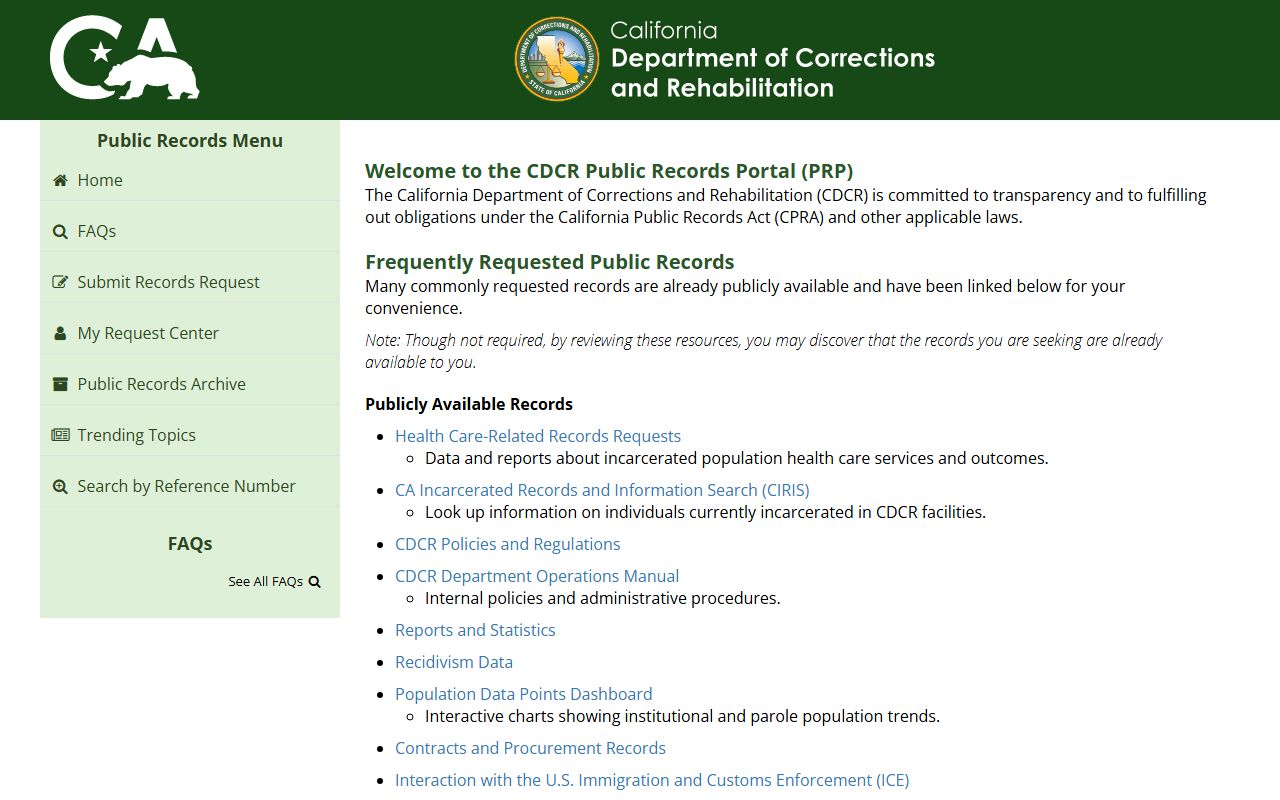
The California Department of Corrections and Rehabilitation maintains records for state prisons. Their public records portal is at californiacdcr.govqa.us. This is separate from county jail records. People convicted of felonies may go to state prison. CDCR maintains those records. County jails hold people awaiting trial and those serving short sentences.