
Find California Arrest Records
California police blotter records provide information about arrests and bookings across the state. Law enforcement agencies publish these records under the California Public Records Act. You can search arrest logs from sheriff offices and police departments in all 58 counties. Most agencies post booking information online within hours of an arrest. These records show names, booking dates, charges, and bail amounts. Some counties offer real-time inmate searches while others publish daily or weekly logs. Anyone can access California police blotter information for free or a small fee depending on the agency.
California Police Blotter Quick Facts
California Arrest Records and Booking Logs
Every county in California maintains arrest records through its sheriff office. These records come from local police departments and sheriff patrols. When someone gets arrested, officers take them to a county jail for booking. Staff collect fingerprints and photographs. They record the person's name, age, and address. The arrest report lists all charges. Bail gets set based on the offense. All this information goes into the booking log.
The California Department of Justice oversees public records rules across the state. Under Government Code Section 7923.600, law enforcement must make certain arrest information public. This includes the full name of every person arrested, their physical description, the time and date of arrest, the location where the arrest happened, and the charges filed. Agencies must also disclose bail amounts. Some details stay confidential for active investigations, but basic booking facts are always public in California.
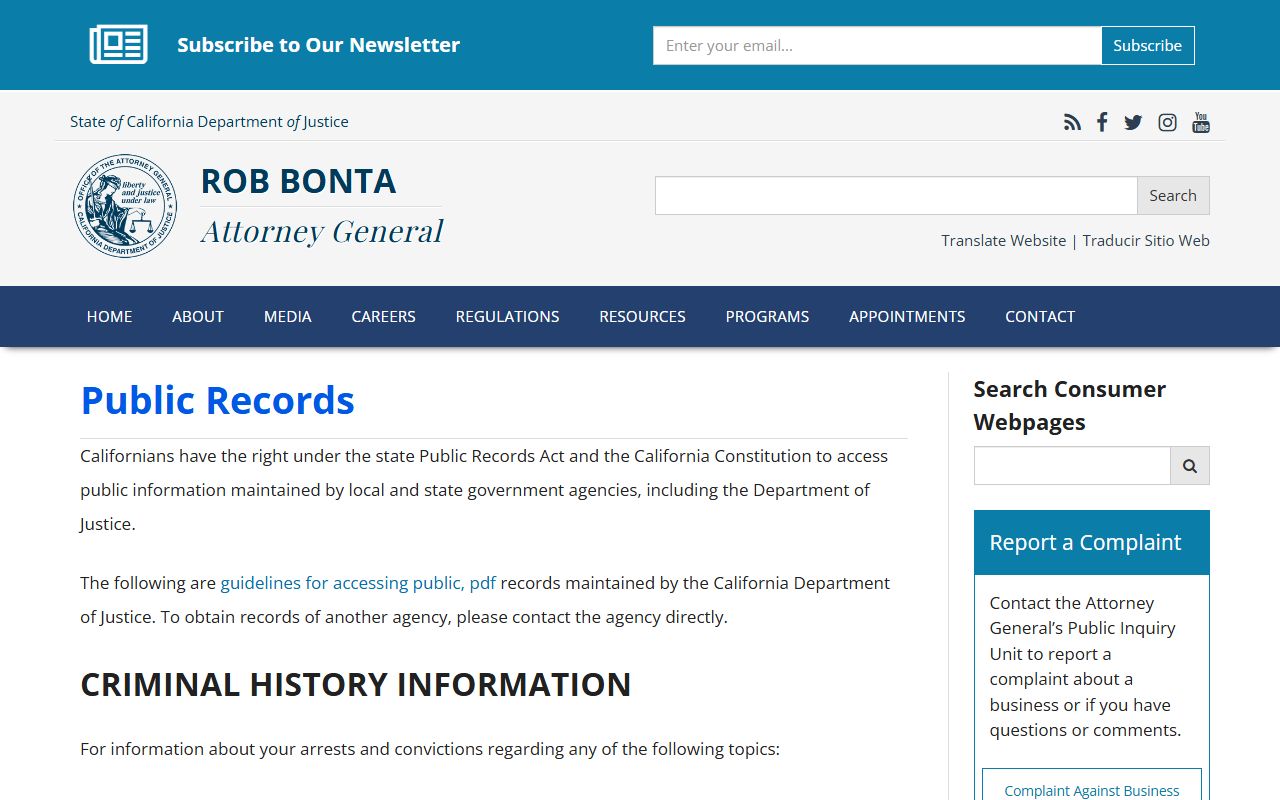
Most California sheriff offices now publish booking logs online. You can search by name or booking date. Some systems update every hour. Others post new bookings once per day. Large counties like Los Angeles, San Diego, and Orange have robust online portals. Smaller counties may only offer phone inquiries. Check your local sheriff website to see what search tools they provide for California arrest records.
Note: Booking information does not prove guilt and charges may be dropped or reduced later.
State Resources for Police Records
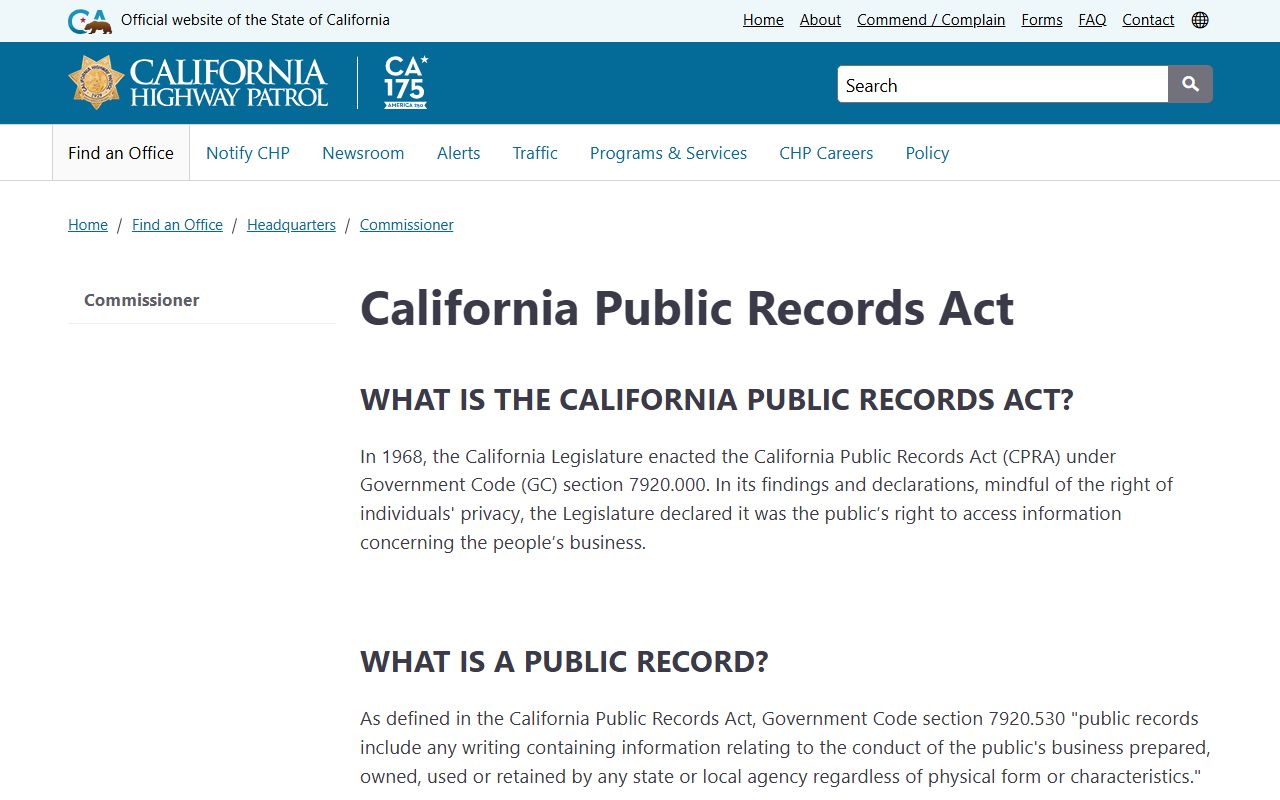
The California Highway Patrol handles traffic arrests and incidents on state highways. CHP maintains its own records system separate from county jails. You can request CHP arrest reports through their public records portal. The agency responds to requests within 10 days under state law. CHP records include accident reports, DUI arrests, and other traffic violations across California.
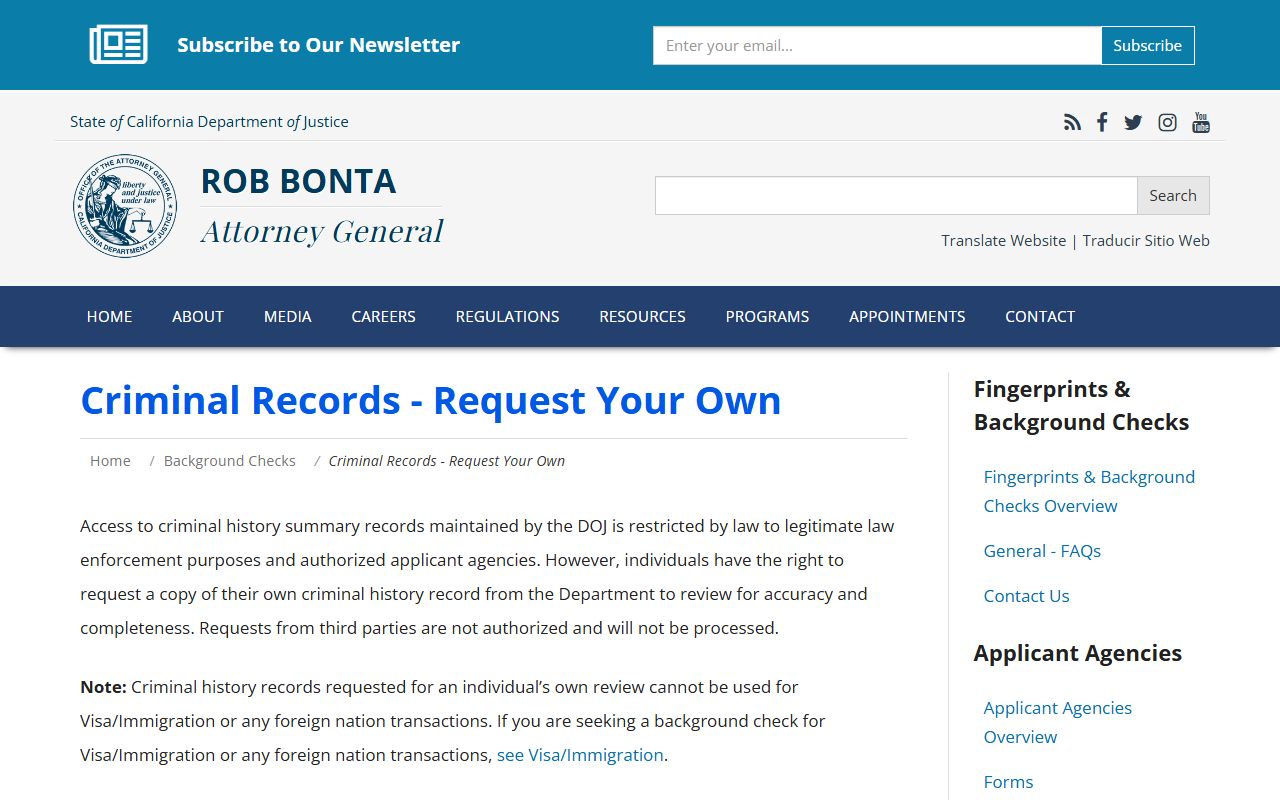
For your own criminal history, California lets you review your record. The DOJ Record Review process requires fingerprinting at a Live Scan location. You pay a $25 fee. The state sends you a complete summary of your California arrest and conviction history. This helps you check for errors or incomplete information. You can challenge mistakes through the Record Review Unit.
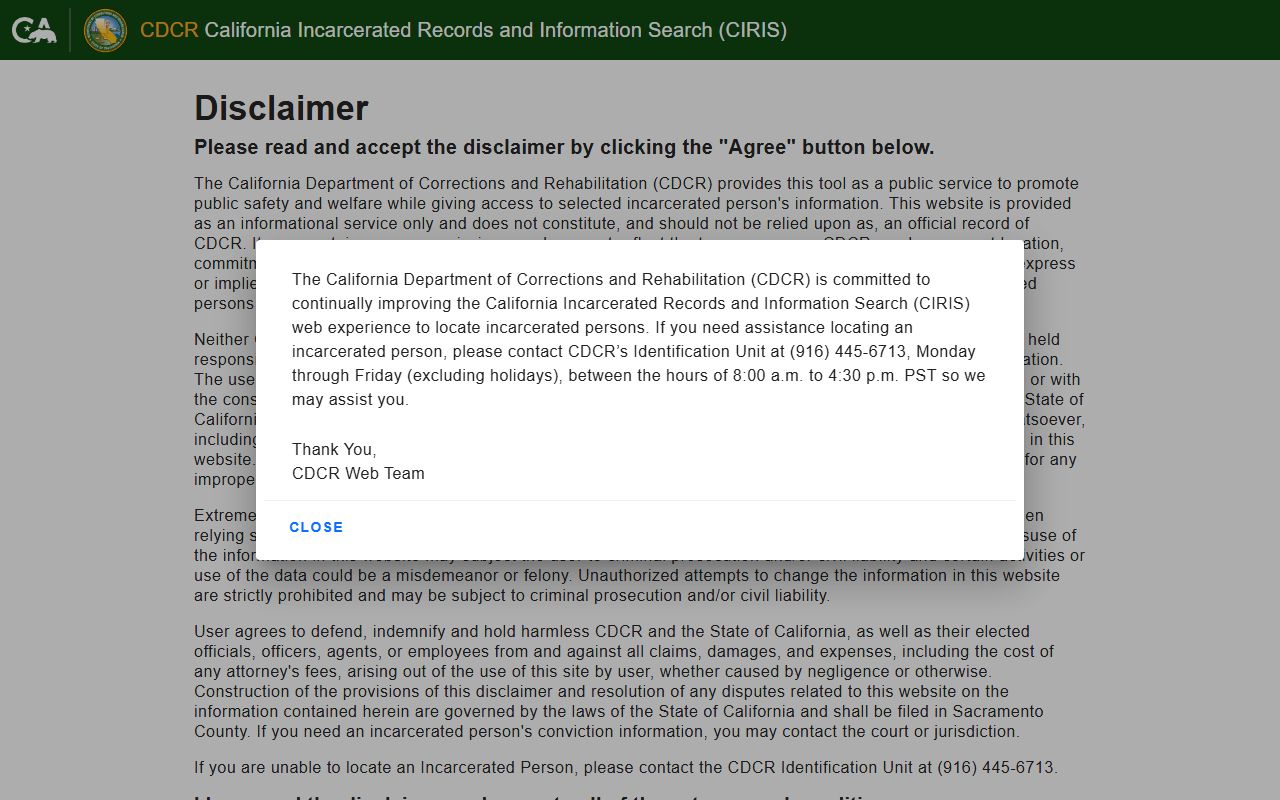
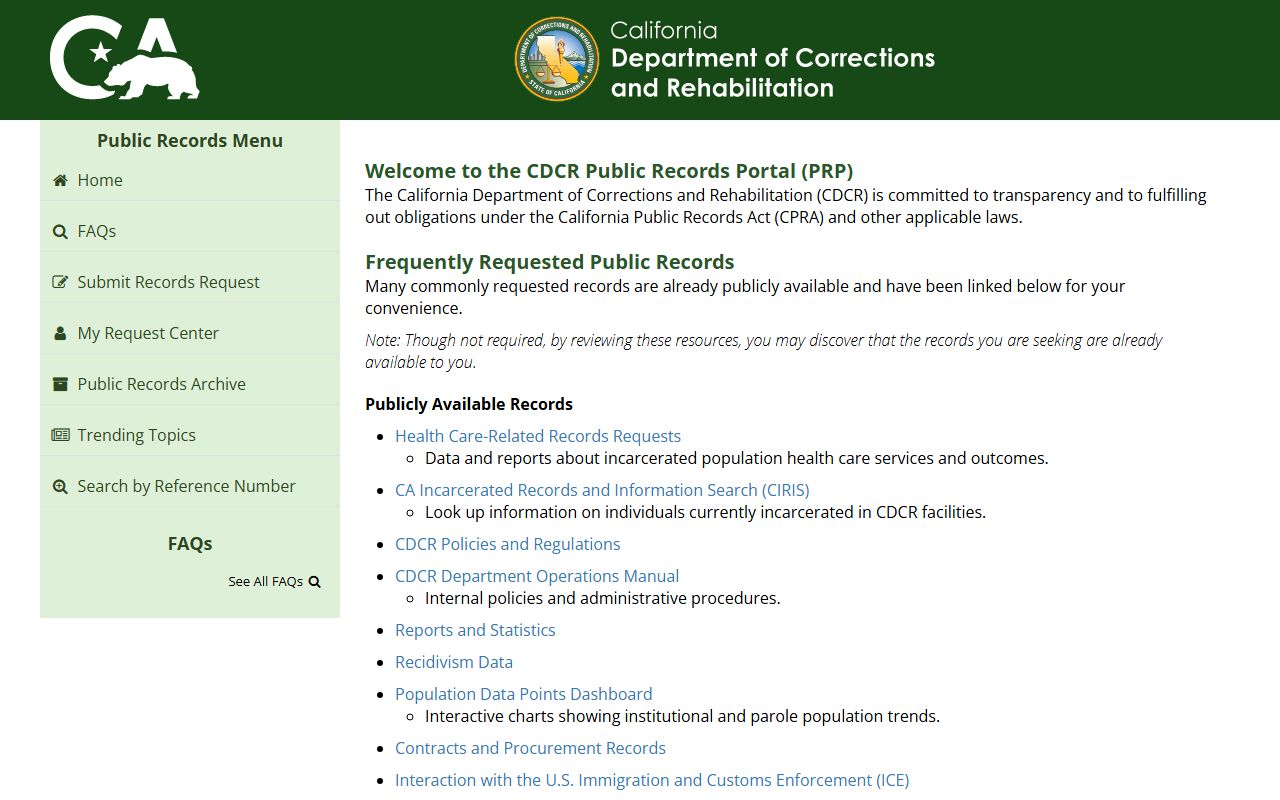
The California Incarcerated Records and Information Search tracks people in state prisons. CIRIS shows current inmates and their locations. Search results give the person's CDCR number, age, admission date, and expected release date. This database covers state prison facilities only, not county jails. Use local sheriff sites to find information about people held in county custody across California.
Search California Booking Databases
Each California county runs its own jail system. Sheriff offices operate the jails and control inmate records. Most have moved to online systems in recent years. You enter a last name and first name to search. The system returns all matching inmates currently in custody. Details include booking number, charges, bail amount, and housing location.
Los Angeles County uses the Inmate Information Center for searches. The system holds data for all LA County jail facilities. San Diego County operates Who's In Jail database with similar features. Orange County provides an Inmate Information System that requires a free account login. These three counties handle the highest volume of bookings in California.
Mid-size counties like Sacramento, Fresno, and Kern also offer strong online systems. The Sacramento Sheriff updates its inmate database every few minutes. Fresno posts a 72-hour blotter showing recent bookings. Many counties in Northern California use shared platforms like CitizenRIMS or CrimeGraphics for their public portals.
Some counties still rely on phone inquiries for booking information. Call the main jail number and give the person's name. Staff will tell you if that person is in custody. They can provide booking date and charges over the phone. This method works in rural counties that lack online systems. It also helps when online databases are down for maintenance across California.
Police Blotter Information Explained
A police blotter shows raw arrest data. It lists everyone booked into jail during a set time period. Daily blotters cover the past 24 hours. Weekly logs span seven days. The blotter tells you who got arrested, when, and why. It does not explain what happened or prove anything about the case.
Arrest records differ from conviction records. An arrest means police took someone into custody. A conviction means a judge or jury found them guilty. Many arrests never lead to charges. Prosecutors may decline to file a case. Charges might get dismissed later. An entry in the California police blotter only shows that an arrest occurred on a certain date.
Booking logs contain specific details required by California law. You will see the arrested person's full legal name. The log shows their date of birth or age. Physical description includes race, sex, height, and weight. The booking date and time appear along with the arrest location. Charges are listed by their legal code sections. Bail amount gets posted for most offenses.
California agencies must release this information under Government Code 7923.600. The law aims to keep the justice system transparent. Public access to arrest records helps maintain accountability. Anyone can check who got arrested and for what charges. This applies to arrests made by police departments, sheriff offices, and CHP across California.
Some information stays private even in public records. Victim names get withheld in sensitive cases. Juvenile arrest records are confidential in most situations. Active investigations may limit what details agencies release. But the basic facts of adult arrests are always public under California law.
California Justice Statistics
The state tracks arrest trends through the OpenJustice data portal. This system compiles statistics from all California law enforcement agencies. You can view arrest rates by county, city, offense type, and demographic group. The data covers felonies and misdemeanors. Reports go back several decades for historical analysis.
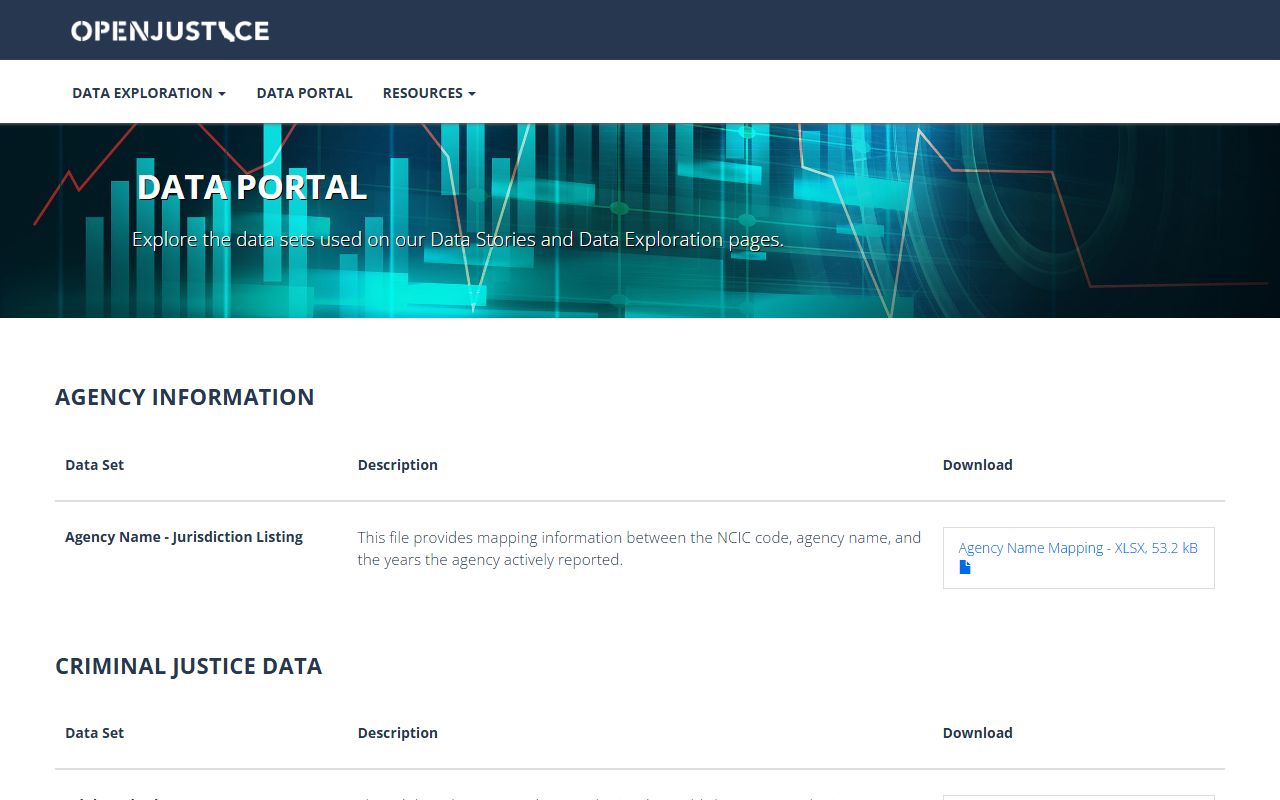
OpenJustice does not identify individual arrests. It provides aggregate numbers only. Use it to understand patterns in California law enforcement. The portal shows which crimes occur most often in your area. You can compare arrest rates between counties. This helps residents and researchers track public safety trends across California over time.
How to Find Arrest Information
Start with the county where the arrest took place. Go to the sheriff website. Look for links labeled Inmate Search, Who's In Jail, or Booking Log. Enter the person's name in the search form. Click submit. The system shows results in seconds if that person is in custody now.
For arrests from the past, you may need to contact the records division. Each California county has a records bureau that handles public records requests. Call or email them with the person's name and approximate date. They search archived records. Most counties charge a small copy fee for older reports. Response time varies from a few days to several weeks depending on the county in California.
Police departments in major cities often have their own records systems. Los Angeles, San Diego, San Jose, and San Francisco operate separate databases from their county sheriff. Check both the city police and county sheriff sites when searching for arrest records. Some California cities contract with the county sheriff for law enforcement, so all arrests go through the sheriff system instead.
Third-party websites aggregate California arrest records from multiple sources. These sites charge subscription fees. They pull data from public databases across many counties. The information may be outdated or incomplete. Always verify details with the official source. County and city government sites provide the most accurate and current California police blotter information for free or low cost.
Browse by Location
California Counties
Search arrest records and booking logs by county. Each sheriff office maintains its own system for California police blotter information.
View All 58 California Counties
Major California Cities
Find arrest records and booking information for California's largest cities with populations over 100,000.